
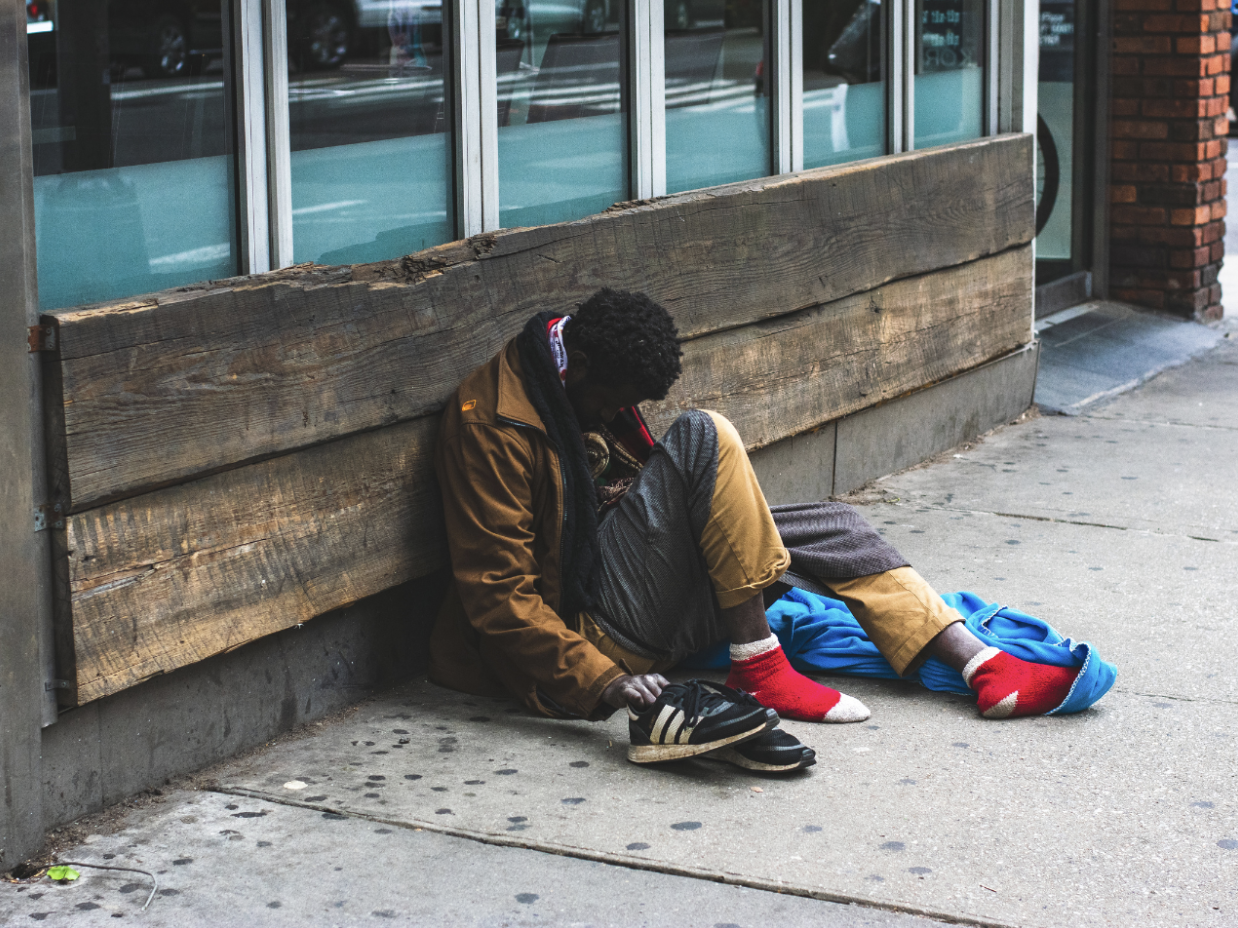
Across America, homeless Black men are facing a growing health crisis shaped by housing instability, chronic disease, and untreated trauma. According to studies, 48.1 percent of homeless Americans suffer from depression, 45.8 percent experience anxiety, and 44.2 percent are diagnosed with hypertension. Black Americans make up 31.6 percent of the nation’s homeless population, while men account for nearly 60 percent.
Without stable housing, chronic conditions such as hypertension, diabetes, and cardiovascular disease become increasingly difficult to manage. Housing instability disrupts the infrastructure required for consistent care. Without a permanent address, there is often no safe place to store medications, no reliable way to schedule follow-up appointments, and no fixed residence needed to qualify for insurance enrollment. For Black men experiencing homelessness, those barriers can turn a manageable diagnosis into a medical emergency.
According to the UCSF Benioff Homelessness and Housing Initiative, homelessness can lead to a cycle of emergency room visits that often ends in premature death.
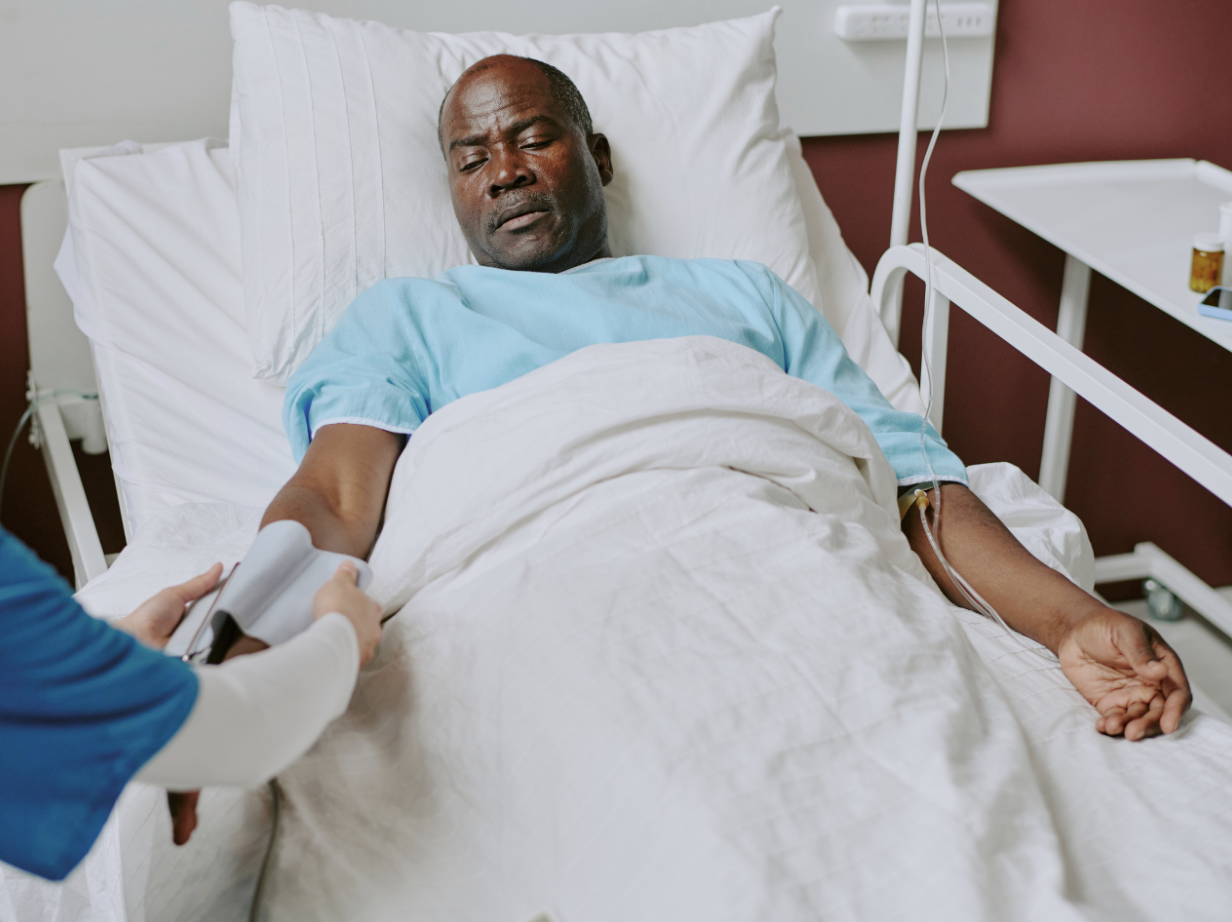
“People experiencing chronic homelessness are the most medically vulnerable,” said Dr. Maria C. Raven, MD, MPH, Chief of Emergency Medicine at University of California, San Francisco.
Dr. Raven noted that chronically homeless individuals are those who have experienced homelessness for at least a year, or multiple episodes of homelessness, while living with a psychiatric or physical disability.
“They are sicker and typically die far earlier than people who are housed,” she said. “We admit them from the emergency department to the hospital at higher rates, and when they are discharged, if they remain unhoused (which they almost always do), their discharge plans often fail, bringing them back to us.”
In 2024, the Supreme Court ruled in favor of an Oregon city’s ability to prohibit sleeping in public spaces with bedding, a decision that advocates say could further criminalize homelessness nationwide.
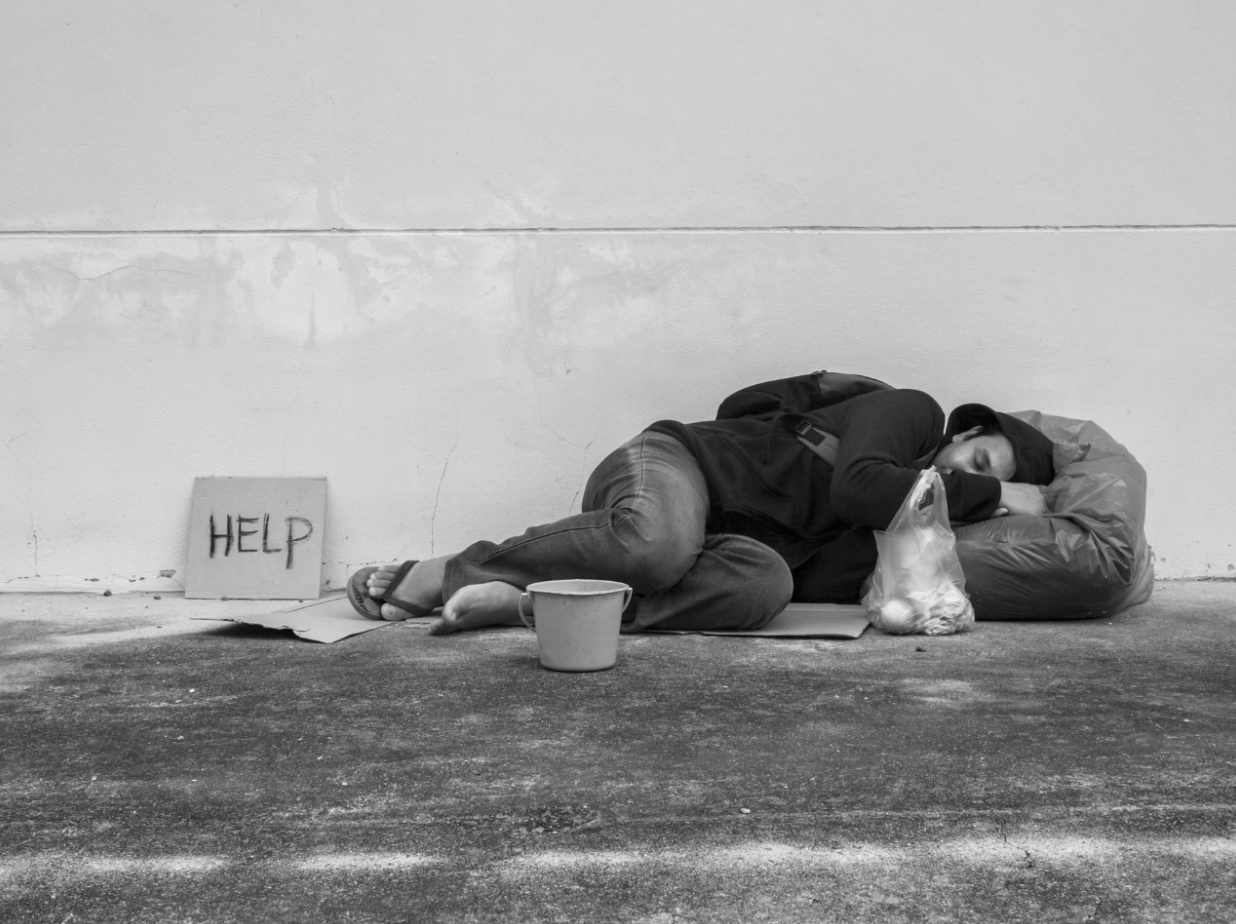
Jerry Saunders, CEO of the Africentric Personal Development Shop, Inc. (APDS), mentioned that his organization witnesses firsthand how untreated childhood trauma tied to incarceration, food insecurity, substance abuse, and chronic instability can contribute to homelessness
“When trauma and behavioral health conditions go untreated, it becomes increasingly difficult for individuals to maintain employment, relationships, physical health, and stable housing,” said Saunders.
APDS provides trauma-informed, healing-centered treatment for individuals experiencing mental health challenges. The organization works alongside the African American Male Wellness Agency where both operate under the umbrella of the National Center for Urban Solutions.
